


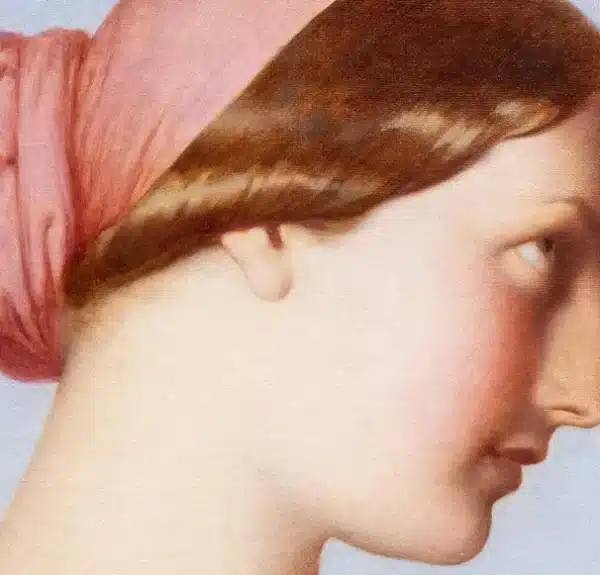
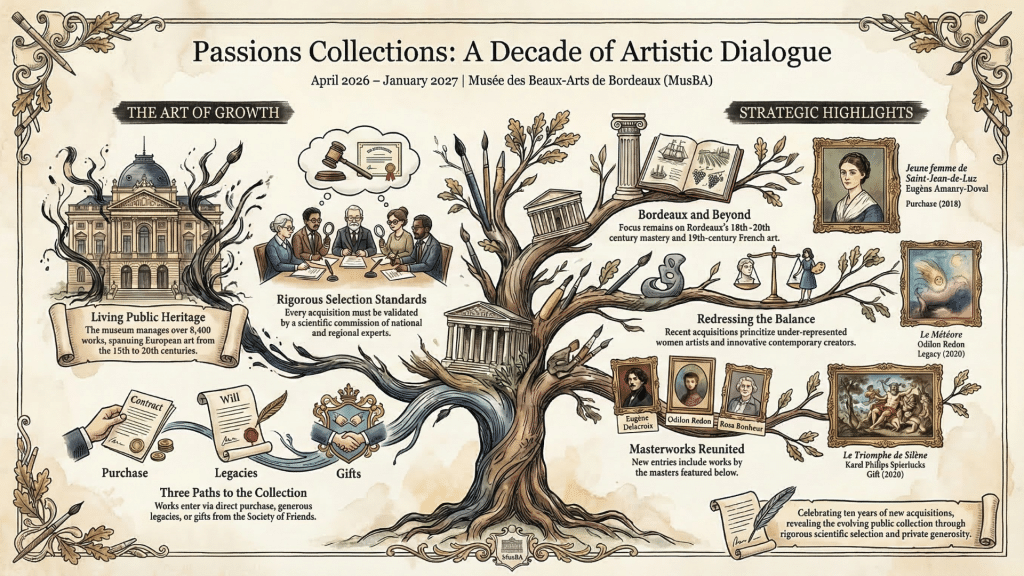
The musée des beaux-arts de Bordeaux offers a renewed interpretation of its collections through the exhibition “Passions collections,” structured around a body of works acquired over a full decade. This curatorial approach highlights not only rarely displayed pieces but also the scientific and heritage-driven logic behind public acquisitions. The exhibition design follows a precise museographic framework aimed at illustrating how a collection evolves through institutional decisions and art market opportunities.
The exhibition showcases works acquired between 2015 and 2025, covering a wide technical spectrum from painting and sculpture to graphic arts. This diversity reflects the museum’s intention to maintain historical coherence while integrating complementary works capable of reinterpreting existing collections. Each acquisition becomes an analytical tool, enabling the recontextualization of artistic movements or the enrichment of already established corpora.
One of the exhibition’s key focuses lies in highlighting Bordeaux’s artistic heritage, particularly from the 18th to the 20th century, which forms a strong identity base for the museum. This orientation is complemented by a specific emphasis on 19th-century French art, recognized as a structuring component of the permanent collections. This dual approach creates a dialogue between local and national perspectives, while incorporating broader European influences.
The scenographic pathway also emphasizes transversal themes such as the role of women artists, contemporary stylistic developments, and the dynamics of patronage. The displayed works, originating from purchases, donations, or bequests, illustrate a cultural ecosystem in which institutions, collectors, and support organizations play a decisive role in shaping public collections.
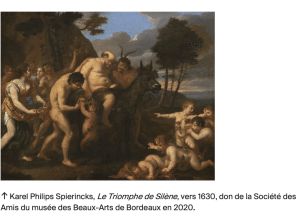
Beyond a simple display of artworks, “Passions collections” provides genuine insight into the internal mechanisms of a museum. The exhibition allows visitors to understand how a collection is built, adjusted, and transformed over time, according to scientific, aesthetic, and heritage criteria. This approach makes the visit particularly engaging for an informed audience, while remaining accessible through adapted mediation tools.
Guided tours are regularly organized, offering an in-depth analysis of the artworks and curatorial decisions. This educational dimension enhances the experience by transforming the visit into an analytical exploration rather than mere observation.
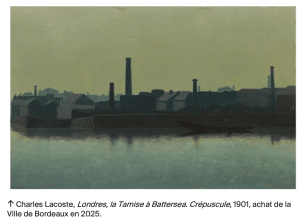
Running from April 1, 2026, to January 4, 2027, this exhibition stands out as a key cultural event in Bordeaux’s artistic landscape. It provides a rare opportunity to access recently acquired works, often absent from permanent displays. The event offers a dynamic way to rediscover the museum, aligned with contemporary challenges in heritage conservation and valorization.
After the exhibition, exploring Bordeaux can continue through a structured and panoramic approach. The double-decker bus tour offers a comprehensive view of the city’s urban layout, historic façades, and major heritage landmarks. This format optimizes travel time while delivering contextualized insights, making it a perfect complement to the museum experience.
Bordeaux is rich in history and heritage with its 350 UNESCO listed buildings. Each one more unusual than the next, don’t miss out on discovering them.
We have put together a list of the most important places in the Port de la Lune to visit…
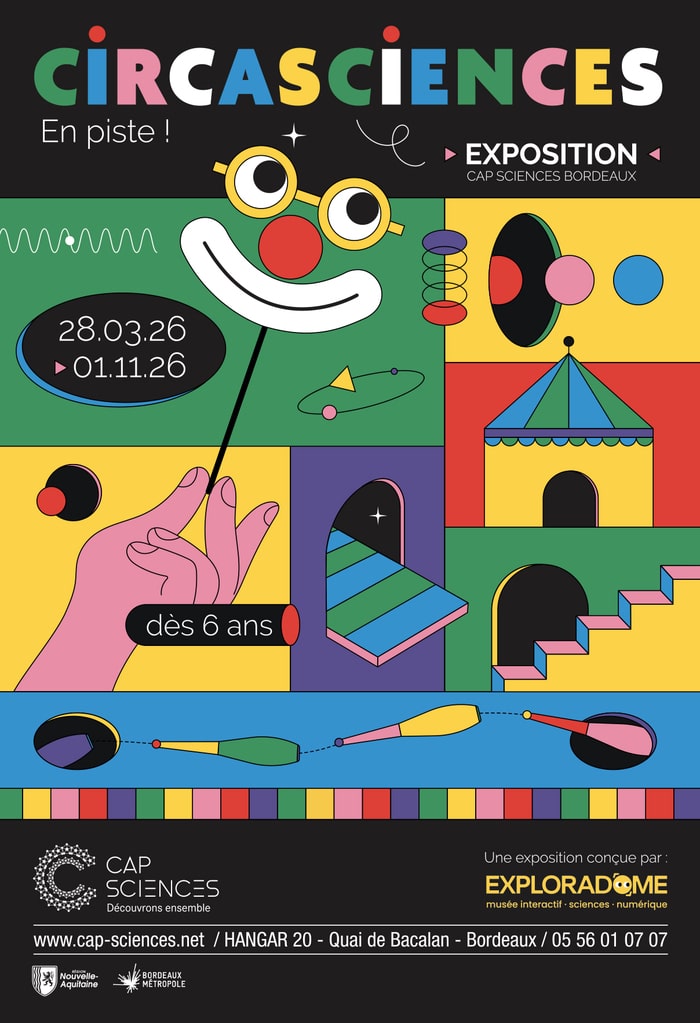
The exhibition *Circasciences en piste*, organised by Cap Sciences, is part of an initiative to bring advanced science to the general public through the lens of the circus arts. The exhibition design features a series of interactive installations that allow visitors to analyse the physical mechanisms employed by performers during their acts. This educational approach transforms a fun experience into a genuine scientific laboratory accessible to the general public.
Located on the quays of Bordeaux, right next to the Cité du Vin, this exhibition benefits from a strategic position within a well-established tourist ecosystem. This location makes it easy to incorporate into a wider urban discovery itinerary, particularly through organised tours.
The Cité du Vin is hosting the exhibition Around the World in 50 Wine Regions, a visual journey dedicated to the diversity of international wine-growing regions. This programme showcases a selection of photographs from partner regions, each of which has chosen an iconic image to embody its landscape, people or heritage.
The curatorial approach is based on a cross-sectional interpretation of the vineyards, without geographical hierarchy or strict technical classification. The photographs interact with each other through three major themes:

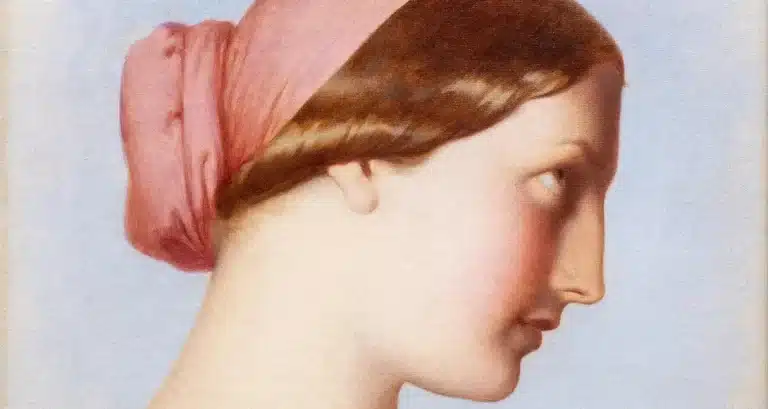
The musée des beaux-arts de Bordeaux offers a renewed interpretation of its collections through the exhibition “Passions collections,” structured around a body of works acquired over a full decade. This curatorial approach highlights not only rarely displayed pieces but also the scientific and heritage-driven logic behind public acquisitions. The exhibition design follows a precise museographic framework aimed at illustrating how a collection evolves through institutional decisions and art market opportunities.
