


After several years of closure, the museum of decorative arts and design in Bordeaux is set to reopen its doors on April 22, 2026, marking a significant milestone in the transformation of the city’s cultural landscape. Closed since 2023, the institution has undergone an extensive renovation project aimed at modernizing its infrastructure while enhancing its architectural heritage.
At a glance
💡 Bordeaux City Tours’ tip
The MADD, on rue Bouffard, is just a few minutes’ walk from the “Place de la Bourse” stop of our Bordeaux Visiotour Hop-on Hop-off bus: easy to combine with a stroll through the Saint-Pierre district and its shopping streets before hopping back on toward another part of Bordeaux.
Located in the heart of Bordeaux, within the Hôtel de Lalande and a former 19th-century prison, the museum has been completely restructured to unify these two historic buildings into a coherent and fluid visitor pathway. This architectural intervention now enables optimized circulation between spaces while improving accessibility for all audiences.
Beyond heritage restoration, the project integrates a strong environmental dimension, with a significant reduction in the building’s energy consumption and the use of bio-based materials. This technical orientation reflects a clear intention to position the madd as a museum aligned with current climate challenges.
Visitor facilities have also been entirely redesigned, with the addition of new services such as a shop, a restaurant, and expanded exhibition areas. The objective is to enhance the visitor experience by offering a clearer and more intuitive route, while encouraging hybrid uses between culture, design, and mediation.
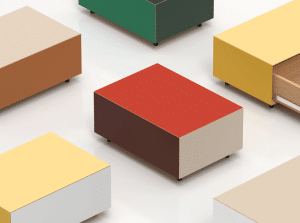
The reopening is accompanied by a structured program built around several exhibitions, including some dedicated to contemporary design. Among them, the exhibition focused on Pauline Deltour illustrates the museum’s ambition to create a dialogue between contemporary creation and historical heritage.
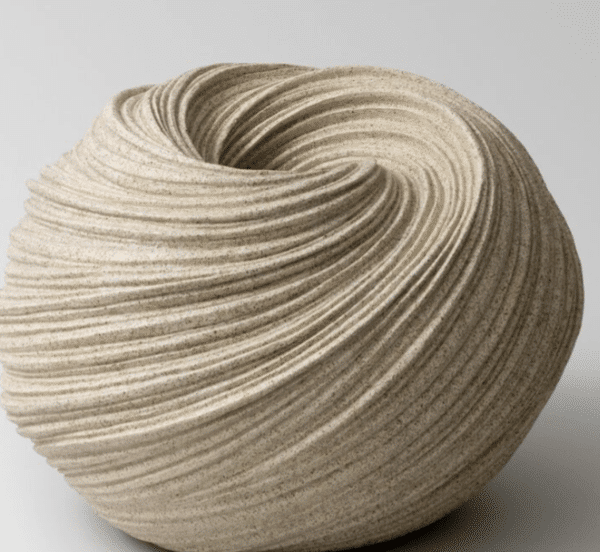
Other exhibitions complement this offering, particularly around ceramics and curated selections from the collections, allowing visitors to explore different dimensions of decorative arts. This diversity reflects a curatorial strategy aimed at broadening audiences while strengthening the clarity of the museum’s narrative.
This reopening is not simply a return to normal operations, but a complete repositioning of the museum within the local cultural ecosystem. The madd now aims to become a reference venue combining heritage, design, and societal reflection, within a renewed framework adapted to contemporary expectations.
The visit becomes an immersive experience, where objects, forms, and materials tell a story at the intersection of art and everyday uses. It offers a compelling opportunity to rediscover Bordeaux through a different lens, balancing tradition and innovation.
To complement this cultural experience, exploring Bordeaux can continue aboard the Bordeaux City Tours double-decker bus. This panoramic route provides a structured overview of the city’s architecture, iconic districts, and major urban landmarks, perfectly complementing the museum visit.
Bordeaux is rich in history and heritage with its 350 UNESCO listed buildings. Each one more unusual than the next, don’t miss out on discovering them.
We have put together a list of the most important places in the Port de la Lune to visit…
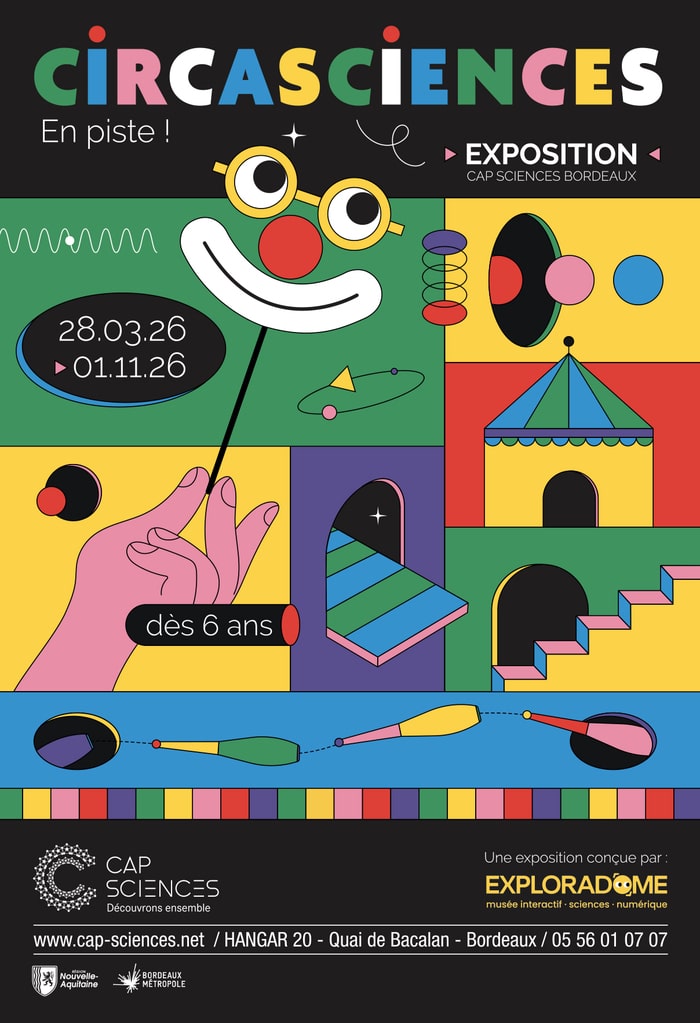
The exhibition *Circasciences en piste*, organised by Cap Sciences, is part of an initiative to bring advanced science to the general public through the lens of the circus arts. The exhibition design features a series of interactive installations that allow visitors to analyse the physical mechanisms employed by performers during their acts. This educational approach transforms a fun experience into a genuine scientific laboratory accessible to the general public.
Located on the quays of Bordeaux, right next to the Cité du Vin, this exhibition benefits from a strategic position within a well-established tourist ecosystem. This location makes it easy to incorporate into a wider urban discovery itinerary, particularly through organised tours.
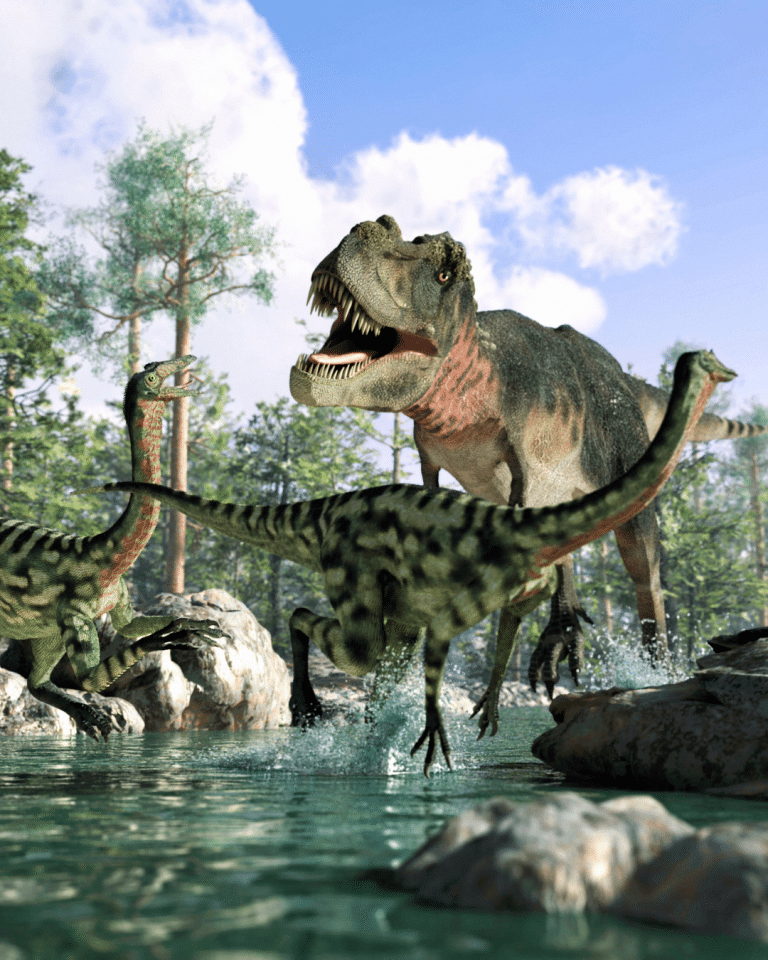
Until 1 November 2026, the Bassins des Lumières travel back 66 million years with Prehistoric Planet: Dinosaurs, an immersive experience for the whole family inside Bordeaux’s former submarine base.

On the quays of Bordeaux, a stone’s throw from the Miroir d’eau, the Musée national des Douanes opens the door to the history of the coastguards and smugglers who shaped the French coastline. The exhibition “La douane aux frontières du large” runs from 2 April to 22 November 2026, in the heart of the Saint-Pierre district.
