


The Bordeaux submarine base was built by the Germans during the Second World War. Culturespaces is working to bring this emblematic site back to life by transforming it into France’s largest digital art center, offering large-scale immersive exhibitions.
Bordeaux’s Bassins des Lumières are hosting two exceptional digital exhibitions. Part of the Bassins des Lumières’ ongoing commitment to offering innovative, immersive cultural experiences, they promise to be a visual feast. They will explore the rich heritage of the Dutch masters as well as the innovative works of Mondrian, establishing a captivating dialogue between past and contemporary art. This immersion into different eras guarantees a breathtaking and memorable visual experience!
Long program: “From Vermeer to Van Gogh, the Dutch masters”

The unique works of Van Gogh and Vermeer will be highlighted, offering a digital immersion into the world of these northern painters. Each painting will become a living world, inviting visitors to stroll along the Flemish canals and immerse themselves in daily life sublimated by the masters of painting. Captivating scenes, from Vermeer’s Hitchcockian mysteries to Rembrandt’s spiritual introspections, will be presented, offering viewers a rich and varied narrative experience. Finally, the exhibition will conclude with a vibrant celebration of nature and emotion through the radiant works of Van Gogh, transporting visitors to the sun and moon of the South.
Short program: “Mondrian, the architect of color”

This digital creation will look back at the work of Piet Mondrian, exploring how his abstract and minimalist compositions revolutionized art and influenced diverse fields such as fashion, design and popular culture. Visitors will be invited to follow Mondrian’s evolution from the figurative to the abstract, discovering his exploration of Neoplasticism. The exhibition, divided into five chapters, will offer a perspective on Mondrian’s different periods, from his naturalistic beginnings to his iconic abstract compositions, revealing his quest for pure, universal beauty.
Address :
Opening times :
Opening times during the February holidays (from 2/16 to 3/03 included)
From Sunday to Thursday: 10 a.m.– 7 p.m. / Friday and Saturday: 10 a.m.– 9 p.m.
Opening times from 3/04 to 3/31 and to 10/01 to 12/19
From Sunday to Thursday: 10 a.m.– 6 p.m. / Friday and Saturday: 10 a.m.– 8 p.m.
Opening times from 4/01 to 9/30 + school holidays
From Sunday to Thursday: 10 a.m.– 7 p.m. Friday and Saturday: 10 a.m.– 9 p.m.
Rates :
Full rate : 15€
Reduced rate : 12.5€
More information:
https://www.bassins-lumieres.com/en
copyright © Culturespaces / V. Pinson
Bordeaux is rich in history and heritage with its 350 UNESCO listed buildings. Each one more unusual than the next, don’t miss out on discovering them.
We have put together a list of the most important places in the Port de la Lune to visit…
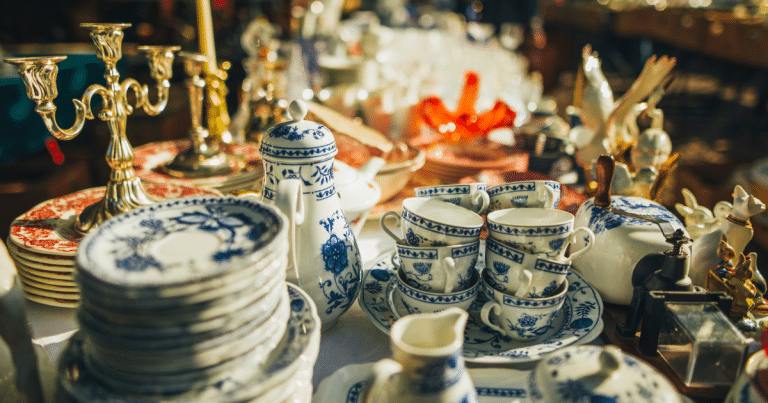
The spring flea market in Bordeaux takes place at Place des Quinconces from April 24 to May 10, 2026, confirming its status as a major event in the local calendar. Organized twice a year for several decades, this event structures both the cultural and commercial landscape around antiques and second-hand goods.
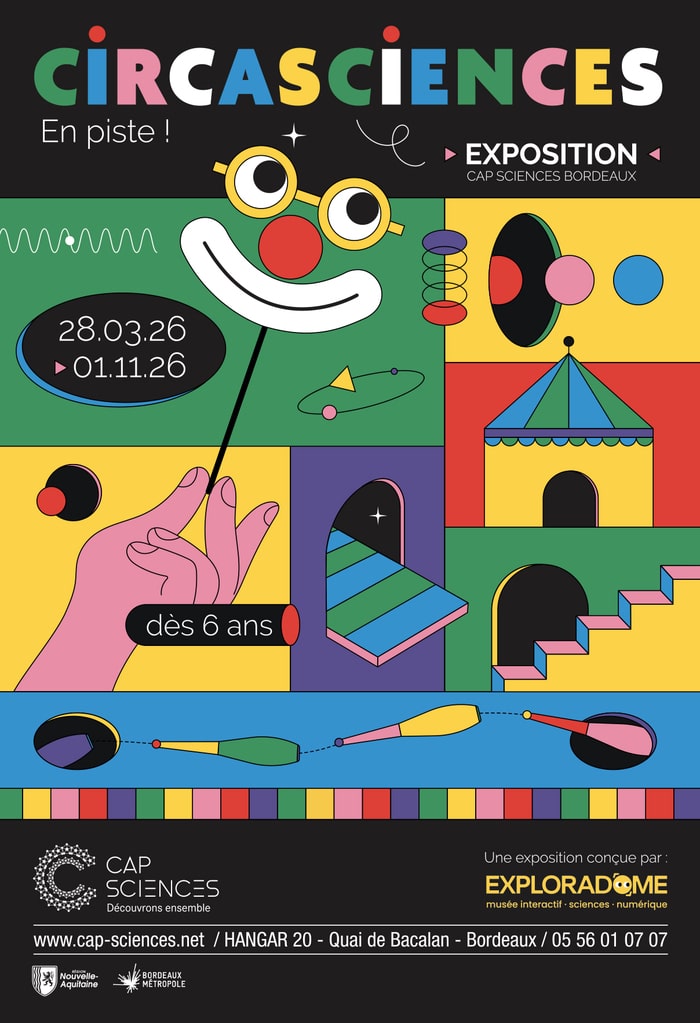
The exhibition *Circasciences en piste*, organised by Cap Sciences, is part of an initiative to bring advanced science to the general public through the lens of the circus arts. The exhibition design features a series of interactive installations that allow visitors to analyse the physical mechanisms employed by performers during their acts. This educational approach transforms a fun experience into a genuine scientific laboratory accessible to the general public.
Located on the quays of Bordeaux, right next to the Cité du Vin, this exhibition benefits from a strategic position within a well-established tourist ecosystem. This location makes it easy to incorporate into a wider urban discovery itinerary, particularly through organised tours.

The Cité du Vin is hosting the exhibition Around the World in 50 Wine Regions, a visual journey dedicated to the diversity of international wine-growing regions. This programme showcases a selection of photographs from partner regions, each of which has chosen an iconic image to embody its landscape, people or heritage.
The curatorial approach is based on a cross-sectional interpretation of the vineyards, without geographical hierarchy or strict technical classification. The photographs interact with each other through three major themes:
Dear visitors,
Hop-on Hop-off tours have resumed with our 24-hour and 48-hour passes.
For those who do not wish to purchase a 24-hour or 48-hour pass, we offer tours at 4.10 pm and 5.00 pm without stops, departing from stop no. 1 (10 Cours du 30 Juillet), at a price of €16 (adult fare).
We look forward to welcoming you!
